

Research Areas of Interest and Current Projects
At the UNCG School of Nursing, we are committed to advancing knowledge, improving patient care, and shaping the future of healthcare through cutting-edge research. Explore our diverse range of research interests and discover the innovative projects currently underway. Join us in our mission to advance nursing science and make a difference in the lives of individuals and communities.
Advancing Knowledge, Enhancing Lives, and
Transforming Care Through Discovery.
research interests
Chronic Disease Management
Chronic Disease Management
Examining strategies for effective management and prevention of chronic conditions such as diabetes, cardiovascular diseases, and cancer.
Health Disparities and Equity
Health Disparities and Equity
Investigating factors contributing to health disparities and developing interventions to promote health equity in underserved populations.
Mental Health and Well-being
Mental Health and Well-being
Exploring the intersection of mental health and physical health, with a focus on promoting resilience and improving mental health outcomes.
Child and Mother Health
Child and Mother Health
Investigating the health needs of mothers and children, focusing on prenatal care, maternal health, child development, and strategies to improve health outcomes for both mother and child.
Nursing Education
Nursing Education
Evaluating educational methodologies and curricula to enhance nursing education, aiming to better prepare nursing professionals for the evolving demands of healthcare.
Workforce and Delivery of Care
Workforce and Delivery of Care
Analyzing the dynamics of the healthcare workforce, including staffing models, professional development, and strategies to optimize the delivery of care in various healthcare settings.
Community Health and Outreach
Community Health and Outreach
Engaging with local communities to address health needs, enhance healthcare access, and promote wellness through community-based interventions.
SELECTED RESEARCH
Our faculty engage in collaborative, interdisciplinary research in both community and healthcare settings, securing research grants and awards from various funding agencies.
Dr. Lisa Anders’s program of research focuses on improving support for parents who rely on breast pumps to provide human milk for their children. She has used qualitative methods to explore the experiences of both parents who pump and the healthcare professionals who support them. She is also interested in understanding how breast pump design and use—including breast shield size, frequency, and milk removal efficiency—affect lactation physiology, milk supply, and parental outcomes.
Dr. Forgive Avorgbedor’s program of research focuses on maternal cardiovascular health, cardiometabolic risk, and the impact of structural and social factors on health and health-related needs during pregnancy and postpartum. Her work has been supported by the NIH and the Betty Irene Moore Fellowship for Nurse Leaders and Innovators.
Dr. Kate Clouse’s program of research highlights operational challenges in HIV care within low-resource settings, including the impact of population mobility on engagement in HIV care. Throughout her extensive field experience in South Africa, she has designed, implemented, and evaluated interventions to improve patient engagement in care, including studies using mobile health (mHealth), case management, point-of-care technology, and financial incentive strategies. Her work has been continually funded by the NIH since 2015.
Dr. Stacey Marye Douglas’s program of research is focused on healthcare disparities among children with asthma.
Dr. Tammy Hall’s program of research is centered on improving rural maternal health and advancing the tenets of respectful and relational maternity care, focusing on how patient–provider relationships and continuity of care shape outcomes for maternity patients. Her work examines barriers such as limited access, insurance discrimination, and technology gaps while exploring solutions to promote care for all. In addition, Dr. Hall investigates community disaster preparedness and resilience, particularly in vulnerable populations, to inform policies and interventions that reduce disparities and strengthen health outcomes.
Dr. Sherita House’s program of research focuses on health systems interventions to improve care processes and staff outcomes among health care professionals in civilian and military hospitals. Her research addresses improving care coordination among healthcare professionals with interdependent task and complex work processes. Dr. House’s work has been supported by the Tri-Service Nursing Research Program.
Dr. Kathleen Kenney-Riley’s research program centers on improving health outcomes for adolescents living with chronic illnesses. Her work explores the complex dynamics of patient-provider discordance, functional status, and the long-term effects of adverse childhood experiences. In addition, Dr. Kenney-Riley investigates the role of interprofessional education in shaping healthcare students’ attitudes and responses to intimate partner violence and child abuse, with the goal of enhancing collaborative care and trauma-informed practice.
Dr. Susan Letvak’s program of research focuses on the health and well-being of the nursing workforce, as well as quality of care and patient outcomes. Her methodological expertise is in qualitative and mixed methods research design.
Dr. Debra Neblett’s research interests focus on type 2 diabetes in adults, with an emphasis on improving the utilization of diabetes self-management education and support (DSMES). She explores community-engaged research approaches that identify barriers to DSMES access, co-develop culturally responsive interventions, and promote equitable health outcomes across diverse populations. Her work aims to bridge gaps in care by fostering patient-centered strategies that empower individuals and communities in managing diabetes effectively.
Dr. Eunice Ojo’s program of research focuses on cognition, technology-based fall risk assessments and prevention, and health disparities among older adults. Using both quantitative and qualitative approaches, her work examines the impact of physical activity and hydration on reducing the risk of cognitive decline and falls among older adults.
Dr. Stephanie Pickett’s program of research focuses on reducing cardiovascular disease risk factors, with a specific interest in psychosocial factors that influence weight management among young African American (Black) women. These psychosocial factors include weight beliefs, psychosocial, stress, emotions, and eating behavior patterns.
Dr. Karyn Roberts’s program of research aims to improve the quality of life and holistic health outcomes for children with chronic conditions and their families. Examples of her work include a) examining the lived experiences of adolescents with severe obesity and their families and the development of co-designed mHealth interventions for physical activity and peer support; b) investigating genetic factors that influence body weight; c) designing and testing co-designed, nurse-led community-based interventions grounded in family and community strengths.
Dr. Connor Sullivan is the lead statistician for the UNCG School of Nursing. Trained as a clinical psychologist, his research focused on trauma and posttraumatic stress, and behavioral health more broadly. Dr. Sullivan also has a wealth of experience researching and conducting data governance with public health and health workforce data across NC and nationally.
Dr. Raghad Tawalbeh’s research program focuses on improving the quality, accessibility, and equity of cardiac rehabilitation and secondary prevention programs. Using mixed methods of approaches, her work examines variation in program delivery across diverse populations, settings, and staffing models. She also has a growing research interest in aging-related conditions, including frailty and dementia among older adults, with an emphasis on improving functional outcomes and care delivery.
Dr. Samuel Wang’s research lies at the intersection of nursing informatics and implementation science, with a specific focus on pediatric firearm injury prevention. His work analyzes the trajectory of injury incidents through the lens of Social Determinants of Health to reduce disparities and develop data-driven interventions.
Join us in our mission to advance nursing science,
improve healthcare outcomes, and make a difference in the lives of individuals and communities.
Connect with us
Interested in collaborating on research or learning more about our projects? Contact us to explore opportunities for partnership, student involvement, or research mentorship.
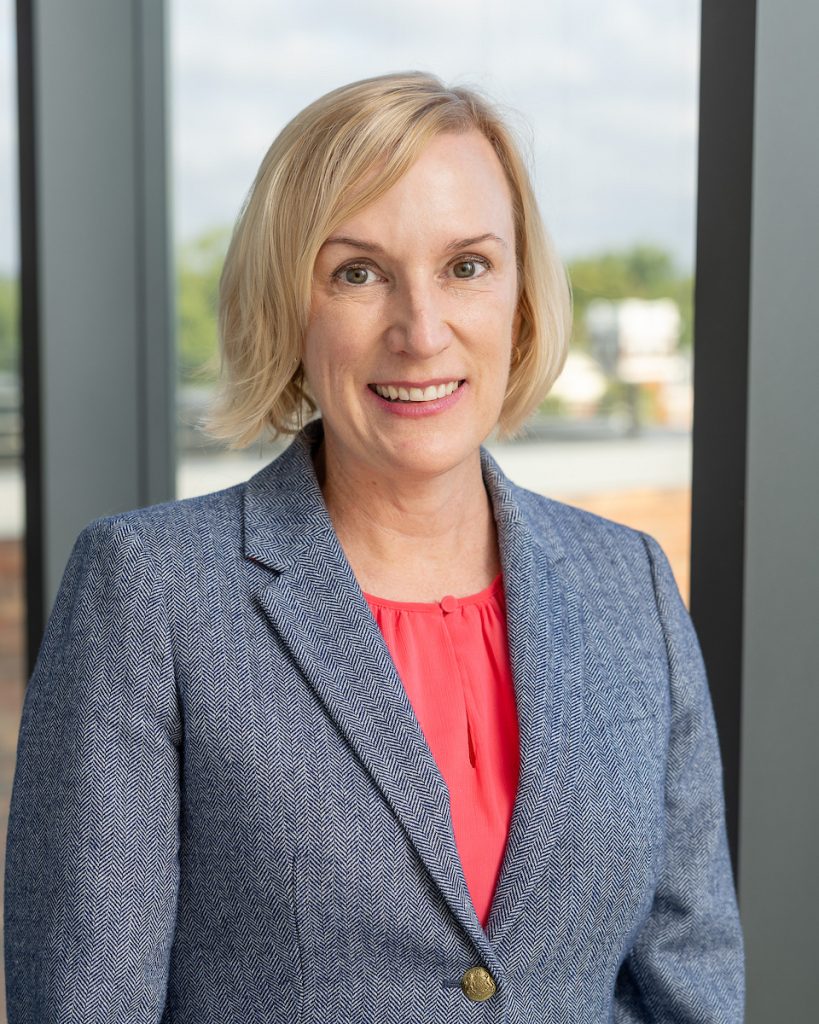
Kate Clouse, PhD, MPH
Associate Dean for Research and Scientific Advancement
336-256-1374